6 Kilograms, 6 Months Old: China's Breakthrough in Ultra-Low-Weight Kidney Transplant
She Weighed Less Than a House Cat — and She Needed a New Kidney
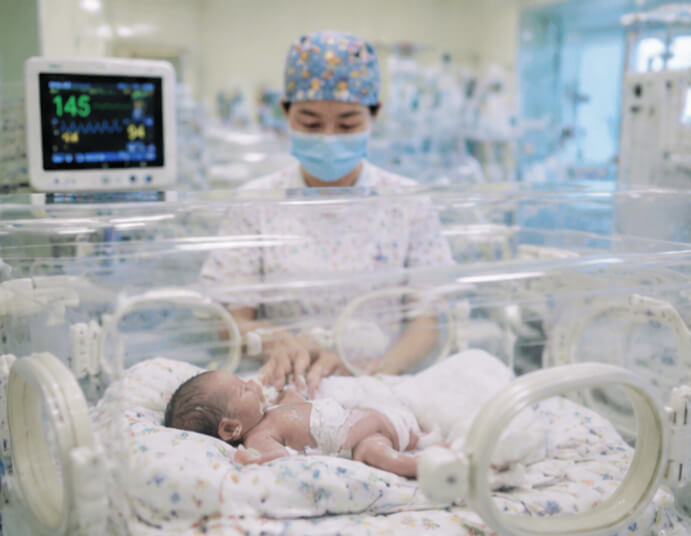
Keke was six months old and weighed just 6 kilograms — about 13 pounds — when her kidneys failed. Infection had ravaged her tiny body. Her heart and lungs were struggling. Most transplant centers in the world would have considered her too small, too fragile, too high-risk.
The organ transplant team at Sun Yat-sen University First Affiliated Hospital (SYSU-FAH) in Guangzhou disagreed.
What followed was one of the most technically demanding kidney transplants ever attempted in China — and a case that redefines the lower limits of pediatric organ transplantation.

The Scale of the Challenge
To understand why this case pushed boundaries, consider what a kidney transplant normally involves — and then scale everything down to fit inside a body the size of a newborn:
| Factor | Adult Transplant | Keke's Case |
|---|---|---|
| Patient weight | 50-90 kg | 6 kg |
| Blood vessel diameter | 8-12 mm | 2-3 mm |
| Surgical margin for error | Millimeters | Fractions of a millimeter |
| Blood volume | 5 liters | ~450 ml (less than 2 cups) |
| Anesthesia complexity | Standard | Extreme — any fluctuation is life-threatening |
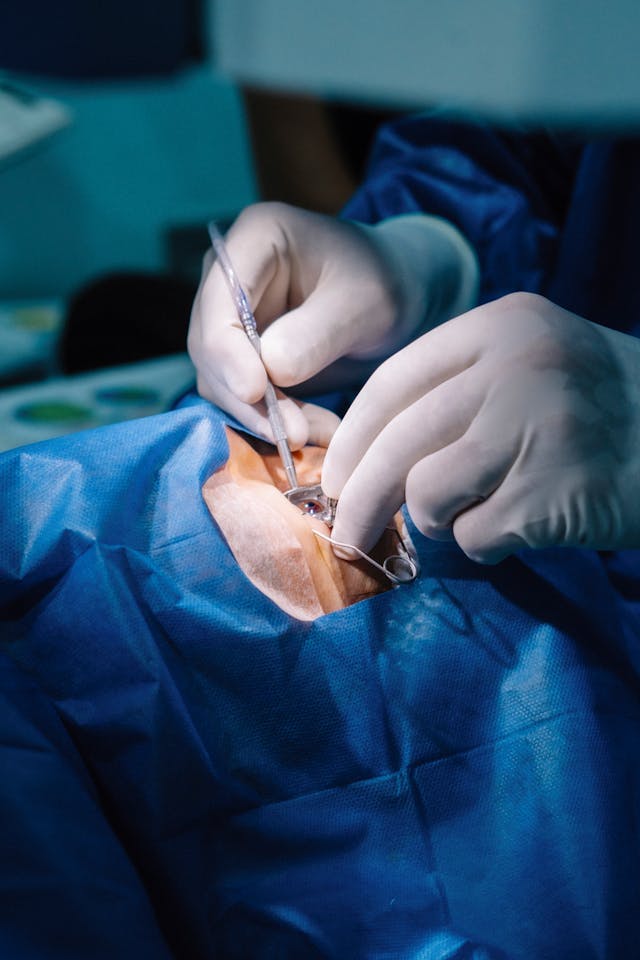
The blood vessels that needed to be connected were so small that the surgeons worked under microscopic magnification, suturing vessels thinner than a pencil lead.
The Multidisciplinary Effort
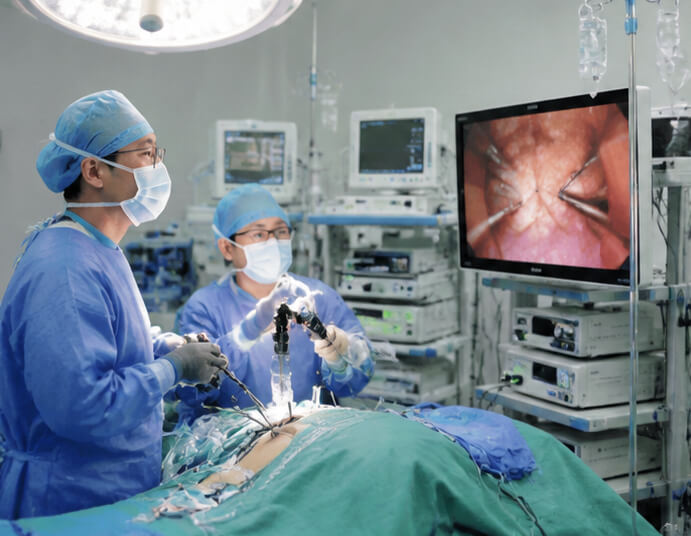
This wasn't a single surgeon's achievement. SYSU-FAH mobilized an entire hospital:
- Organ Transplant Center — Led by Professor He Xiaoshun (discipline leader) and Professor Wang Changxi (kidney transplant chief), with Professors Li Jun and Liu Longshan performing the surgery
- Pediatric ICU — Director Li Yijuan's team managed the critical post-operative period
- Pediatrics — Stabilized Keke's infection, heart, and lung function before surgery was even possible
- Nutrition — Optimized her fragile body for the demands of transplant surgery
- Anesthesia — Managed one of the highest-risk anesthetic scenarios in pediatric medicine
- Nursing — Chief Nurse Gong Fengqiu coordinated specialized neonatal transplant protocols
The Treatment Timeline
The transplant itself was only the final step in a carefully staged plan:
Phase 1 — Stabilization
Keke arrived critically ill. Before any transplant could be considered, the team spent weeks fighting her infections and supporting her failing organs with peritoneal dialysis — a gentler form of dialysis suitable for infants, where fluid is cycled through the abdominal cavity to filter waste.
Phase 2 — Preparation
Once infection was controlled and her vital signs stabilized, the surgical team planned the transplant using detailed imaging to map her tiny vascular anatomy.
Phase 3 — Transplant
The kidney was transplanted using microsurgical techniques, with blood vessel connections made under magnification. The team employed their institution's signature "ischemia-free" transplant technique — a method that minimizes the time the donor organ goes without blood supply, reducing the risk of organ damage.
Phase 4 — Recovery
Keke spent a week in the Pediatric ICU under constant monitoring. She stabilized progressively and was eventually discharged.
Not Their First Miracle
SYSU-FAH's transplant team has a track record of pushing boundaries in pediatric cases:
Mingming — Received a kidney transplant at 8 months old, weighing just 5 kg. Now, six years later, he is a healthy, active boy with consistently stable organ function.
Junjun — Born with congenital polycystic liver and kidney disease, started peritoneal dialysis at age 4. At 5, he received a combined liver-kidney transplant. Today at 13, he's thriving in school with excellent grades and no disease symptoms.
These long-term outcomes matter. They demonstrate that ultra-early transplantation in children doesn't just save lives in the short term — it enables normal growth, development, and quality of life.

Pediatric & Organ Transplant Cost: China vs Western Countries
| Procedure | China (SYSU-FAH) | United States |
|---|---|---|
| Kidney transplant (pediatric) | $25,000 - $45,000 | $150,000 - $300,000 |
| Liver transplant (pediatric) | $40,000 - $70,000 | $300,000 - $500,000 |
| Combined liver-kidney transplant | $55,000 - $90,000 | $500,000 - $800,000 |
| Post-transplant immunosuppression (annual) | $3,000 - $6,000 | $20,000 - $40,000 |
| PICU stay (per day) | $400 - $800 | $5,000 - $15,000 |
China prices include surgery, organ procurement coordination, hospital stay, initial immunosuppression, and follow-up imaging.
Important note: Organ transplantation in China for international patients is subject to strict regulatory requirements. SinomedTrip can help you understand eligibility criteria and navigate the process. Learn more about our services →
About SYSU First Affiliated Hospital
SYSU-FAH is one of China's most distinguished medical institutions and a global leader in organ transplantation:
- Organ Transplant Center pioneered the "ischemia-free" technique, reducing organ damage during transplant
- Performed thousands of kidney and liver transplants, with outcomes comparable to the world's best programs
- Holds the record for the longest-surviving pediatric kidney transplant in China
- Located in Guangzhou, a major international hub with direct flights worldwide
Frequently Asked Questions
Can international patients receive organ transplants in China?
China has specific regulations governing organ transplantation for foreign nationals. Eligibility depends on the type of transplant, the patient's medical condition, and regulatory approval. SinomedTrip can provide guidance on the current regulatory framework.
What is the "ischemia-free" transplant technique?
Traditional transplantation involves a period where the donor organ has no blood supply (ischemia time). SYSU-FAH developed a method to maintain continuous blood flow to the organ throughout the entire process, significantly reducing the risk of delayed graft function.
Is there an age or weight minimum for pediatric kidney transplant?
There is no absolute minimum, but cases below 8-10 kg are considered extremely high-risk and are only performed at a few centers worldwide. SYSU-FAH has demonstrated capability down to 5 kg.
What about long-term outcomes for infant transplant recipients?
Global data shows the longest-surviving pediatric kidney transplant patient has lived 58 years post-transplant. SYSU-FAH's own patients are showing excellent long-term graft survival and normal childhood development.
Does your child need specialized transplant evaluation? Request a free consultation →