Two Ticking Time Bombs, One Surgery: PUMCH Implants Artificial Heart While Sealing Brain Aneurysm
His Heart Was Failing and His Brain Could Explode at Any Moment
Two conditions. Either one alone can kill. Together, they create a clinical paradox that most hospitals in the world would not attempt to solve in a single operation.
Condition 1: End-stage heart failure — The heart is too weak to pump enough blood to sustain life. The only options are a heart transplant (months-long wait) or an artificial heart pump (left ventricular assist device, or LVAD).
Condition 2: Cerebral aneurysm — A weakened, ballooning blood vessel in the brain that could rupture at any moment, causing catastrophic hemorrhage and death.
The paradox: LVAD implantation requires aggressive blood thinning to prevent the pump from clotting. But blood thinners dramatically increase the risk of a brain aneurysm rupturing. Treat the heart, and you may kill the brain. Leave the heart untreated, and the patient dies of heart failure.
Peking Union Medical College Hospital (PUMCH) found a way to defuse both bombs at once.
Why This Case Was Unprecedented
Combining cardiac surgery with neurovascular intervention in a single session is extraordinarily rare. The challenges compound at every level:
| Challenge | Heart Surgery Requirement | Brain Surgery Requirement | Conflict |
|---|---|---|---|
| Blood thinning | LVAD requires anticoagulation to prevent pump thrombosis | Brain aneurysm treatment requires stable clotting to prevent rupture | Direct opposition |
| Blood pressure | Heart failure patients have low output; LVAD increases flow | Sudden flow changes can rupture the aneurysm | Hemodynamic instability |
| Anesthesia | Cardiac anesthesia with hemodynamic monitoring | Neuro-anesthesia with brain perfusion monitoring | Dual expertise needed simultaneously |
| Surgical access | Open chest (sternotomy) | Endovascular (catheter through groin to brain) | Two operating teams, two setups |
Most hospitals would stage these as separate procedures weeks apart — but with a failing heart and a ticking aneurysm, the patient may not survive the interval between surgeries.
The PUMCH Solution: Simultaneous Dual Intervention
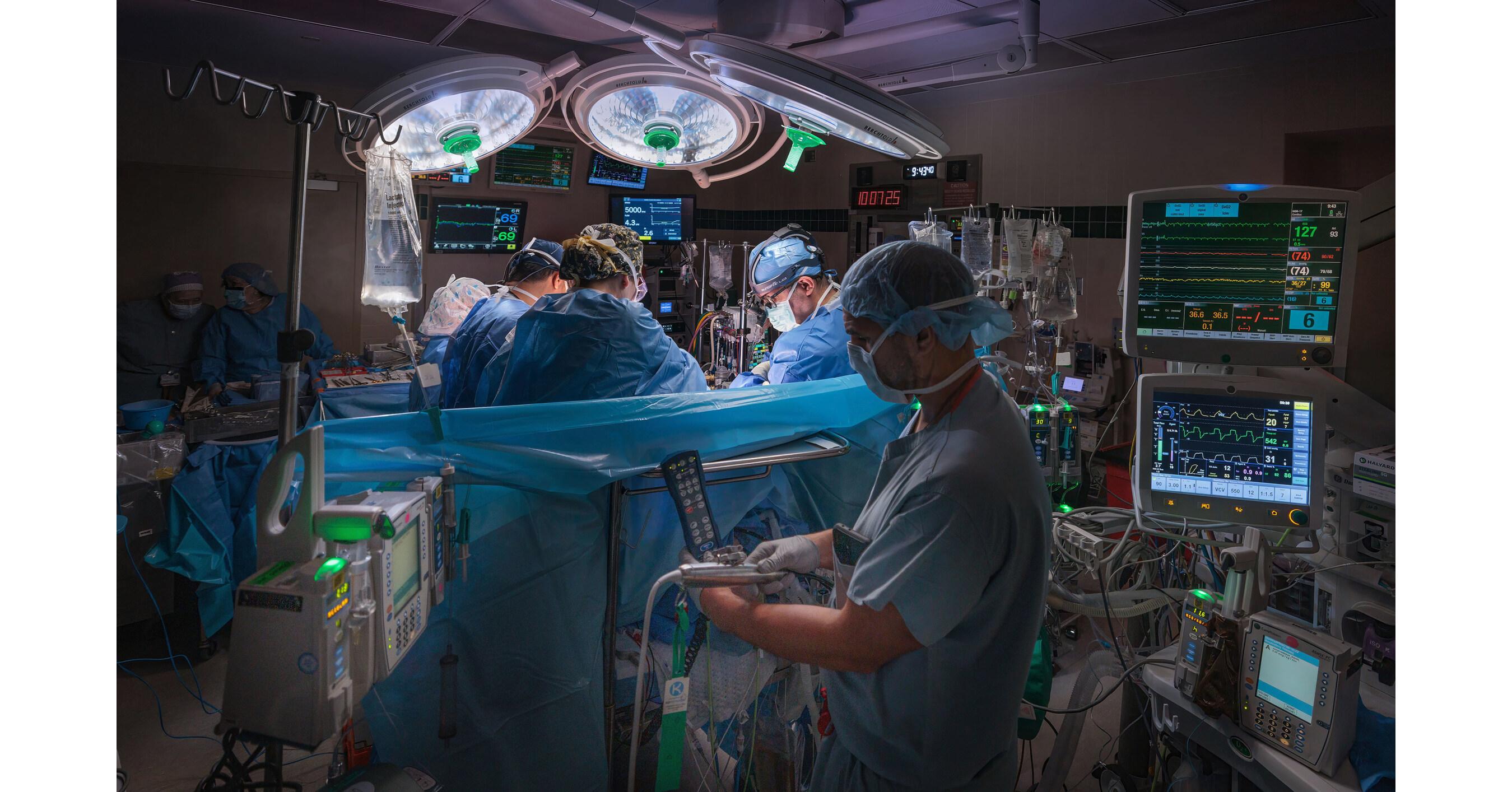
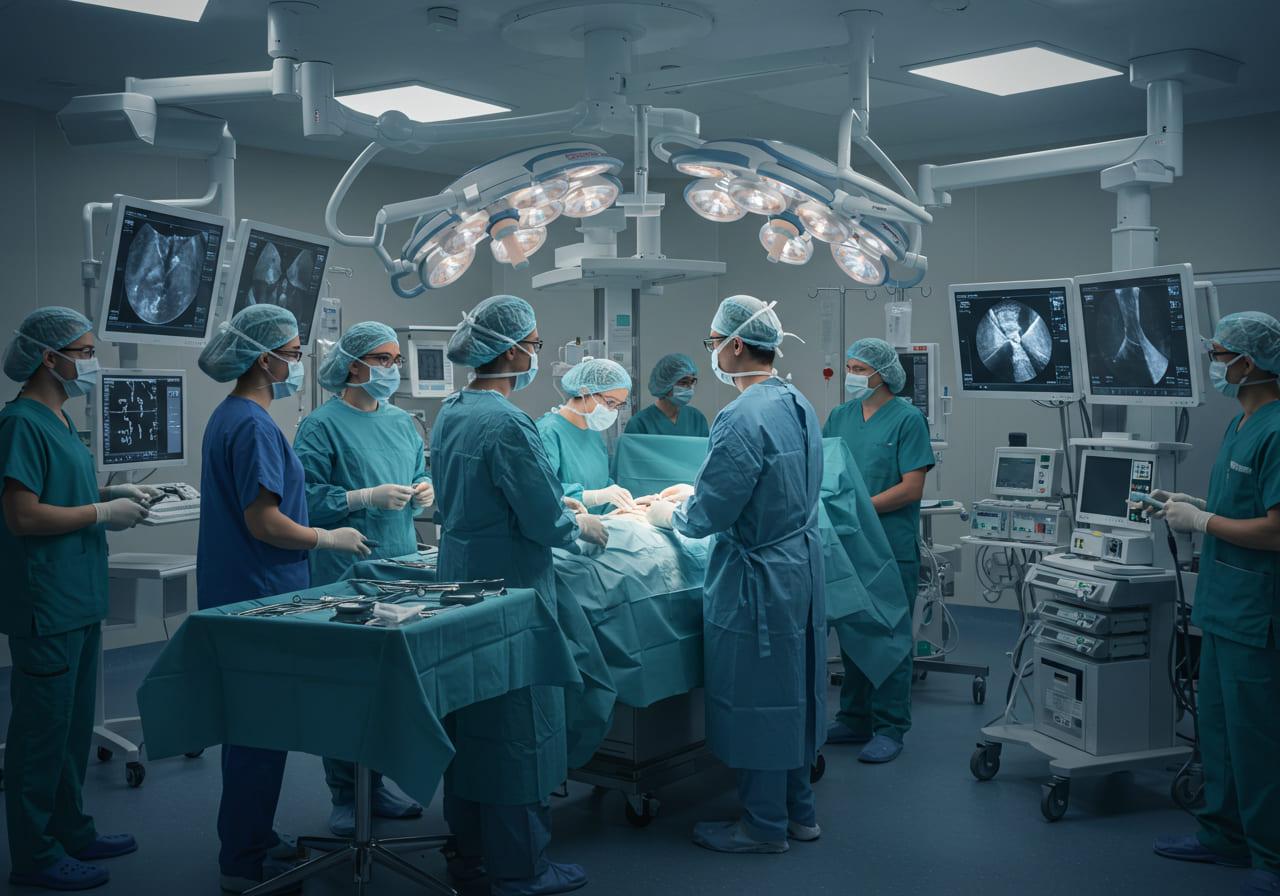
PUMCH's multidisciplinary team — spanning cardiac surgery, neurosurgery, interventional neuroradiology, anesthesiology, and critical care — designed a protocol to address both conditions in a single operating session.
Phase 1: Cerebral aneurysm embolization
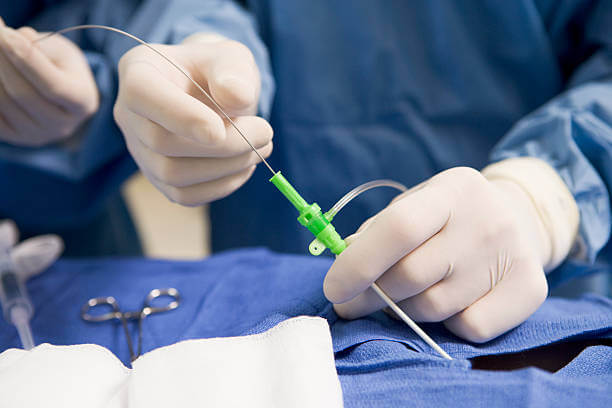
The neurovascular team sealed the brain aneurysm using endovascular coiling — threading a catheter from the femoral artery up into the brain and packing the aneurysm with platinum coils to prevent it from filling with blood. Once sealed, the aneurysm is no longer at risk of rupture even under anticoagulation.
Phase 2: LVAD implantation
With the brain aneurysm secured, the cardiac surgery team proceeded to implant the left ventricular assist device — a mechanical pump that helps the failing heart push blood to the body. The patient could now safely receive the anticoagulation therapy that the LVAD requires.
By sealing the aneurysm first, the team eliminated the bleeding risk before introducing the blood thinners needed for the heart pump. The sequence was critical — reversing it would have been catastrophically dangerous.
What Is an LVAD (Artificial Heart)?
A left ventricular assist device is a mechanical pump implanted inside the chest that helps the heart's left ventricle push blood to the rest of the body. It is used for:
- Bridge to transplant — Keeping the patient alive while waiting for a donor heart
- Destination therapy — Permanent support for patients who are not transplant candidates
- Bridge to recovery — Supporting the heart while it heals (in select cases)
Modern LVADs are remarkably small — about the size of a computer mouse — and can sustain patients for years with good quality of life.
Why This Matters for International Patients
This case demonstrates PUMCH's ability to handle the most complex, multi-system clinical scenarios — the kind of cases where patients are often told "no one can help you" at other institutions.
For international patients, the takeaway is clear: China's top hospitals are not just technically capable — they are willing to attempt procedures that many Western centers would decline due to complexity and liability concerns.
Advanced Cardiac Surgery Cost: China vs Western Countries
| Procedure | China (PUMCH) | United States |
|---|---|---|
| LVAD implantation | $60,000 - $100,000 | $200,000 - $400,000 |
| Cerebral aneurysm coiling | $12,000 - $22,000 | $50,000 - $120,000 |
| Combined LVAD + aneurysm (single session) | $70,000 - $120,000 | Not widely attempted |
| Cardiac ICU (per day) | $500 - $1,200 | $5,000 - $15,000 |
| Heart transplant (when available) | $50,000 - $90,000 | $300,000 - $500,000 |
China prices include surgery, device, hospital stay, ICU, and post-operative monitoring.
Who Should Know About Combined Cardiac-Neurovascular Surgery?
This combined approach is relevant for patients with:
- End-stage heart failure with coexisting cerebrovascular disease — Aneurysms, AVMs, or other brain vascular lesions that must be addressed before or during cardiac intervention
- LVAD candidates with high stroke risk — Patients who need mechanical circulatory support but have brain conditions that make anticoagulation dangerous
- Complex multi-organ cases declined by other hospitals — When the intersection of cardiac and neurological pathology exceeds most institutions' comfort zone
About PUMCH
Peking Union Medical College Hospital is China's most prestigious medical institution:
- Ranked #1 in China for 14 consecutive years
- Cardiac surgery department led by Director Zheng Jun, with comprehensive LVAD and transplant capability
- Neurosurgery department with full endovascular and microsurgical capability
- Unmatched multidisciplinary depth — the ability to mobilize 10+ departments for a single complex case
- Located in central Beijing, with established international patient services
Facing a complex cardiac or multi-system condition? Request a free multidisciplinary consultation →