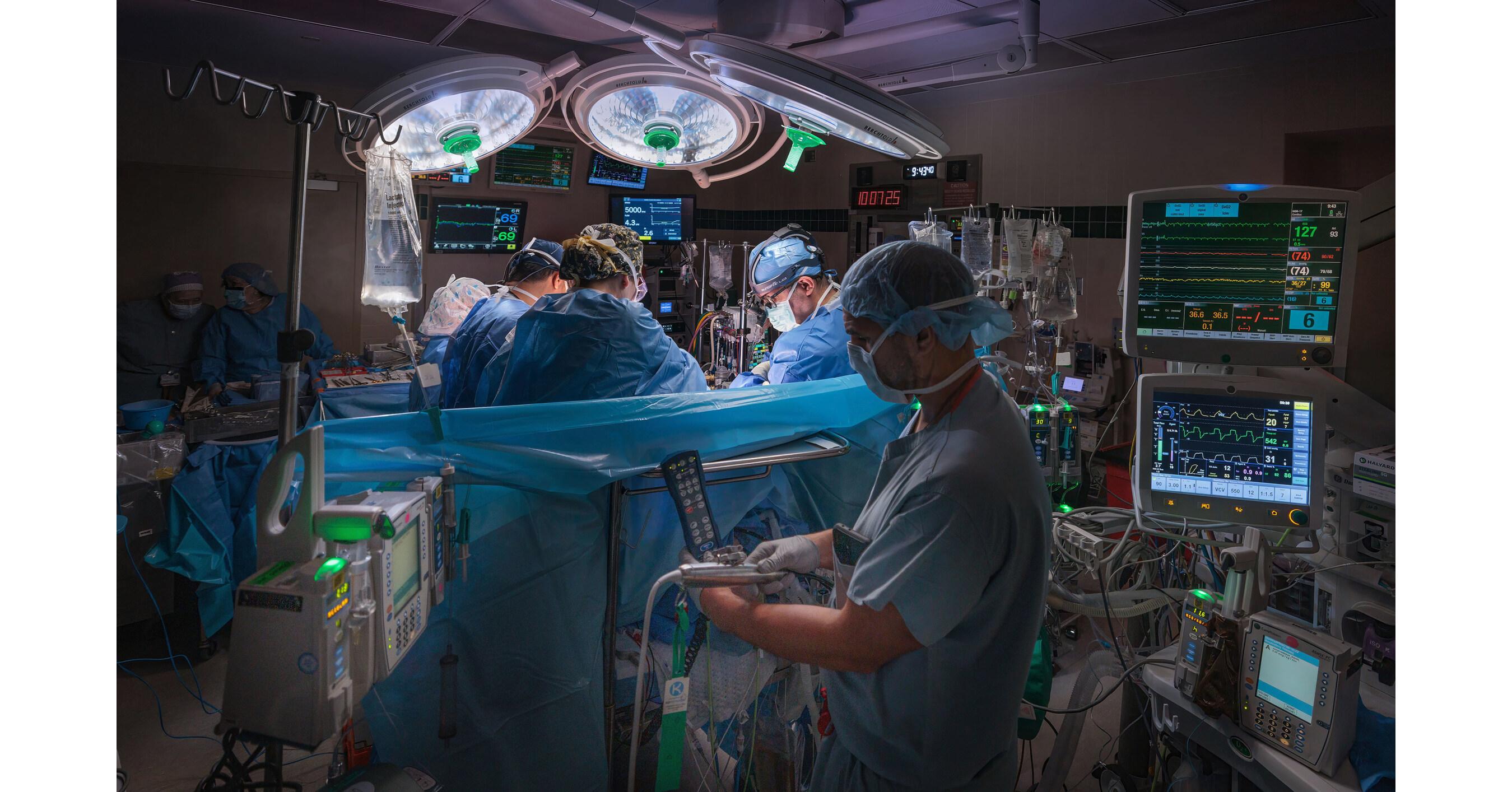
50 Days, 7 Departments, 2 Surgeries: How PUMCH Saved a Man from a Condition That Kills 85% of Patients
He Was Vomiting Blood by the Liter — and No Other Hospital Could Help
Zhuang was 35 years old when his body turned against itself in the most devastating way possible.
Months earlier, he had undergone emergency surgery for aortic dissection — a tear in the wall of the body's largest blood vessel. The initial surgery saved his life. But the covered stent graft placed inside his aorta developed a catastrophic complication: it eroded through the wall of his esophagus, creating a direct connection between his aorta and his digestive tract.
This condition is called an aortoesophageal fistula (AEF) — and it is one of the most lethal emergencies in medicine. Mortality rates exceed 85% even at major medical centers.
When Zhuang arrived at Peking Union Medical College Hospital (PUMCH), he was in severe hemorrhagic shock from massive vomiting of blood. His infected stent graft was a ticking bomb. His esophagus was destroyed. His nutritional state was collapsing.
Three Simultaneous Crises
What made Zhuang's case nearly impossible was that he faced not one but three interlinked life-threatening problems:
| Crisis | What It Means | Why It's Hard to Treat |
|---|---|---|
| Massive hemorrhage | Blood flowing from aorta through fistula into esophagus | Can be fatal within minutes; source cannot be compressed externally |
| Deep-seated infection | Infected stent graft in contact with digestive contents | Cannot be cleared with antibiotics alone; infected hardware must be removed |
| Nutritional collapse | Esophagus destroyed; unable to eat or absorb nutrients | Patient too malnourished to survive major surgery without nutritional rehabilitation |
Each problem made the others harder to solve. You can't remove the infected stent until bleeding is controlled. You can't rebuild the esophagus until infection is cleared. You can't clear infection until nutrition is restored. And you can't restore nutrition until the esophagus is rebuilt.
The PUMCH Approach: 7 Departments, 2 Staged Surgeries, 50 Days
Deputy Hospital Director Du Bin convened an emergency multidisciplinary conference. The team that assembled represented the full depth of PUMCH's clinical capability:
- Cardiac Surgery — Director Zheng Jun and Dr. Xu Shangdong's team
- Thoracic Surgery — Dr. Zhao Luo's team
- Vascular Surgery
- Critical Care Medicine
- Infectious Disease
- Anesthesiology — Dr. Yang Lu's team
- Operating Room
The strategy: a staged approach that addressed each crisis in sequence.
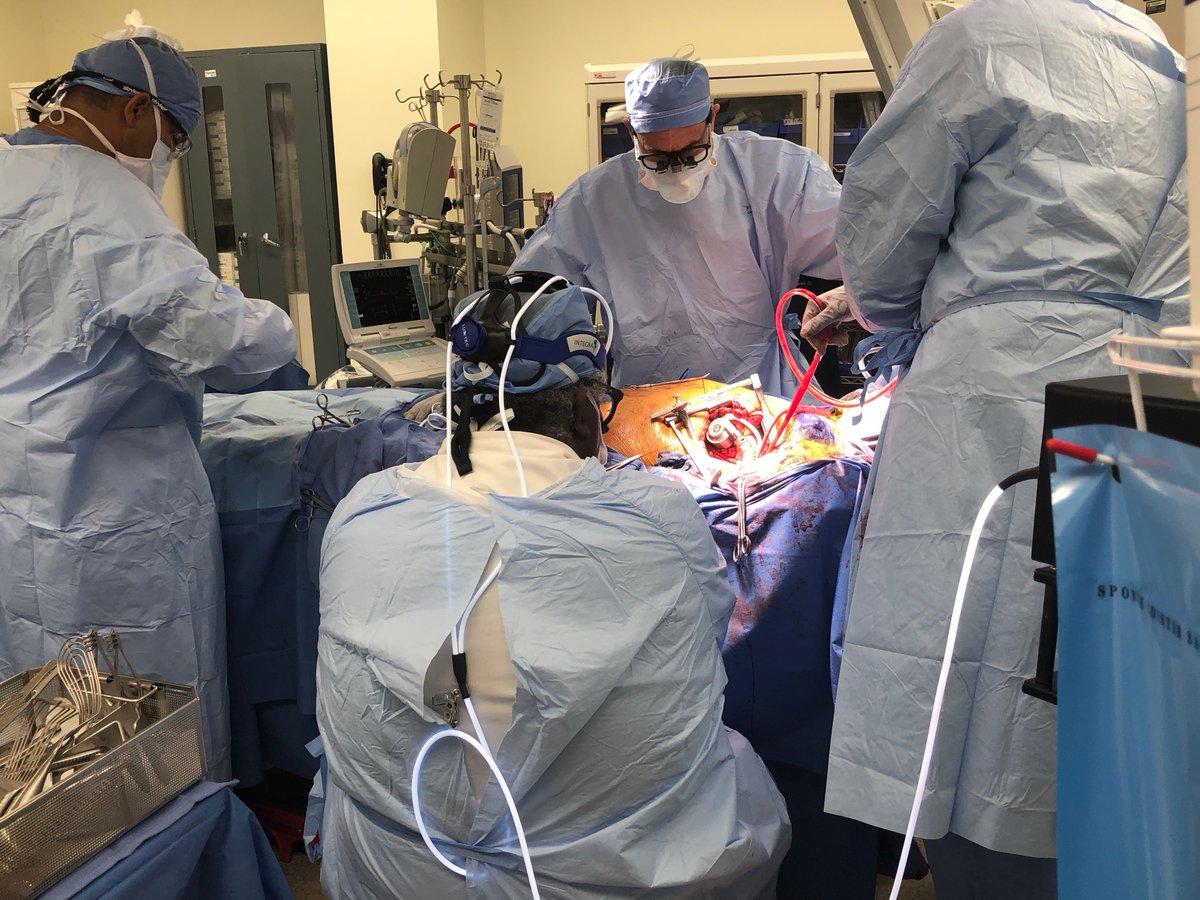
Stage 1: Save His Life (12-Hour Surgery)
The first operation was a marathon 12-hour procedure that tackled the two most urgent problems simultaneously:
- Aortic bypass reconstruction — Rerouting blood flow around the damaged section and removing the infected stent graft
- Esophageal resection — Removing the destroyed esophagus to eliminate the source of ongoing contamination
- Jejunostomy — Creating a feeding tube directly into the small intestine so nutrition could bypass the missing esophagus
This surgery addressed hemorrhage and removed the infected hardware, but left the patient without an esophagus — unable to eat normally.
Stage 2: Rebuild and Restore (Day 50)
After seven weeks of intensive recovery — fighting infection, rebuilding nutrition through the jejunostomy tube, and rehabilitating his battered body — Zhuang was finally strong enough for the reconstruction.
The thoracic surgery team performed esophageal reconstruction using a minimally invasive thoraco-laparoscopic three-incision approach — pulling up a segment of stomach to replace the removed esophagus and restoring the ability to swallow and eat normally.
The Outcome
Zhuang survived. Against a condition that kills more than 85% of patients, PUMCH's staged approach successfully resolved all three crises:
- Hemorrhage — Controlled by aortic reconstruction and fistula elimination
- Infection — Cleared by removing infected hardware and aggressive antimicrobial therapy
- Nutrition — Restored first through jejunostomy, then through esophageal reconstruction
Why This Case Is Significant
Aortoesophageal fistula after aortic stent grafting is a recognized but rare complication. When it occurs, most institutions face an impossible situation: the surgery required to fix it is so massive and multi-system that few hospitals have the combined cardiac, thoracic, vascular, and critical care expertise to attempt it.
PUMCH's successful management establishes a treatment paradigm for this otherwise near-universally fatal condition — demonstrating that with proper staging, multidisciplinary coordination, and institutional depth, survival is achievable.
Complex Aortic Surgery Cost: China vs Western Countries
| Procedure | China (PUMCH) | United States |
|---|---|---|
| Aortic reconstruction (open) | $25,000 - $50,000 | $100,000 - $250,000 |
| Esophageal reconstruction | $15,000 - $30,000 | $60,000 - $120,000 |
| Staged dual surgery (total) | $40,000 - $80,000 | $200,000 - $500,000 |
| ICU stay (per day) | $500 - $1,200 | $5,000 - $15,000 |
| 50-day hospitalization (estimated total) | $50,000 - $100,000 | $300,000 - $750,000 |
China prices include all surgeries, ICU, ward stay, medications, nutrition support, and follow-up imaging.
Who Should Consider Complex Aortic Care at PUMCH?
PUMCH's aortic surgery program is relevant for patients with:
- Aortic dissection complications — Including stent graft infections, endoleaks, and fistula formation
- Infected aortic grafts or stents — Requiring hardware removal and vascular reconstruction
- Aortoesophageal or aortobronchial fistulas — The exact scenario this case addresses
- Failed aortic repairs from other institutions — Complex redo procedures
- Multi-system cases declined elsewhere due to complexity
About PUMCH
Peking Union Medical College Hospital is China's most respected medical institution:
- Ranked #1 in China for 14 consecutive years
- Cardiac surgery led by Director Zheng Jun with comprehensive aortic surgical capability
- Thoracic surgery with advanced minimally invasive esophageal reconstruction expertise
- 7+ departments able to mobilize simultaneously for complex multi-system cases
- Located in central Beijing, with established international patient services
Frequently Asked Questions
What is an aortoesophageal fistula?
An abnormal connection between the aorta (the body's main artery) and the esophagus (the swallowing tube). Blood from the high-pressure aorta pours into the esophagus, causing life-threatening vomiting of blood. It can occur as a complication of aortic stent grafts, thoracic surgery, or cancer.
Why is the mortality rate so high?
Because the condition involves three simultaneous crises — hemorrhage, infection, and nutritional failure — each of which requires major intervention. Most hospitals lack the multidisciplinary depth to address all three in a coordinated staged approach.
Can international patients access emergency aortic care at PUMCH?
For planned complex aortic cases (redo surgeries, infected grafts, chronic fistulas), PUMCH accepts international referrals with advance medical record review. True emergencies require immediate local care, but stable complex cases can be transferred with coordination through SinomedTrip.
Facing a complex aortic or multi-system surgical challenge? Request a free consultation →