PUMCH Launches Mental Health Center — Why It Matters for Medical Tourists
Does Your Hospital Care About Your Mind — Not Just Your Body?
Here's something most medical tourism websites won't tell you: traveling to another country for surgery is stressful. The unfamiliar environment, language barriers, distance from family, uncertainty about outcomes — all of it takes a psychological toll that can directly affect your recovery.
Research published in the Journal of Clinical Psychology in Medical Settings shows that patients with untreated anxiety before surgery experience 40% more post-operative complications, longer hospital stays, and slower wound healing. Yet most hospitals — even world-class ones — treat mental health as an afterthought.
Peking Union Medical College Hospital (PUMCH) is doing something different.
What PUMCH Just Announced
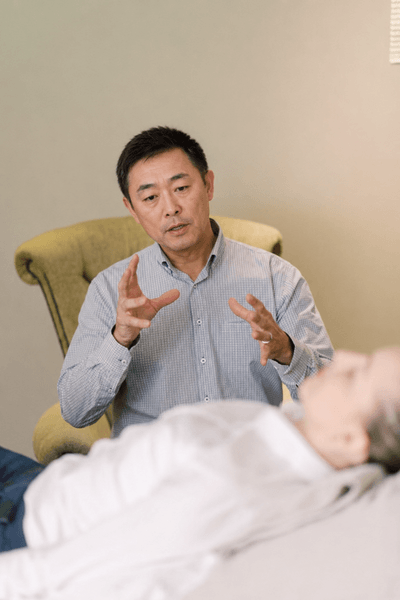
On May 20, 2026, PUMCH officially began building a dedicated Mental Health and Psychiatry Medical Center — not as a standalone psychiatric unit, but as an integrated system spanning 15 clinical departments including:
- Neurology
- Cardiology
- Endocrinology
- Oncology
- Gastroenterology
- Pain management
- And 9 more
The center is led by Professor Wei Jing, Director of PUMCH's Department of Psychological Medicine, and represents a fundamental shift in how China's top hospital approaches patient care.
How It Works: The "Mind-Body" Model
Instead of treating psychological symptoms only after they become severe, the new center embeds mental health screening and support into every stage of medical treatment:
1. Prevention & Early Screening
- Psychological risk assessment at admission
- Standardized screening for anxiety, depression, and adjustment disorders
- Identification of patients at high risk for psychological complications
2. Integrated Diagnosis
- Joint consultations between your treating physician and a psychological medicine specialist
- Recognition that many physical symptoms — chronic pain, fatigue, insomnia, digestive issues — may have psychological components
3. Combined Treatment
- Medication management coordinated between departments
- Cognitive behavioral therapy alongside medical treatment
- Crisis intervention when needed
Why Cancer Patients Need This Most
PUMCH specifically highlighted oncology as a priority area. The center noted that cancer patients are especially vulnerable to:
- Negative cognitive patterns — catastrophic thinking after diagnosis
- Treatment anxiety — fear of chemotherapy side effects, surgical outcomes
- Post-treatment depression — the emotional crash after completing a treatment course
- Caregiver burnout — families traveling internationally for a loved one's treatment face their own psychological strain
By embedding psychological support directly into the cancer treatment pathway, PUMCH ensures these issues are addressed proactively — not after they've already derailed recovery.
What This Means for International Patients
If you're considering traveling to China for medical treatment, the presence of integrated psychological care should factor into your hospital choice. Here's why:
| Factor | Hospital WITHOUT integrated mental health | Hospital WITH integrated mental health (PUMCH) |
|---|---|---|
| Pre-surgical anxiety | Unaddressed; may increase complications | Screened and managed before surgery |
| Post-op depression | Discovered only if patient reports it | Proactively monitored |
| Pain management | Purely pharmacological | Combined with psychological techniques |
| Cultural adjustment | Patient left to cope alone | Professional support available |
| Recovery speed | Potentially slower due to psychological factors | Optimized through mind-body approach |
The Bigger Picture: China's Evolving Healthcare Model
PUMCH's announcement reflects a broader trend in Chinese healthcare. The country's top hospitals are rapidly moving beyond the traditional "treat the disease, discharge the patient" model toward comprehensive, whole-person care.
For international patients, this is significant. It means that when you choose a top-tier Chinese hospital, you're not just getting technically excellent surgery at a lower cost — you're getting a level of holistic care that many Western hospitals still struggle to deliver consistently.

How SinomedTrip Supports Your Well-Being
Beyond the hospital's own services, SinomedTrip provides additional layers of support designed to reduce the psychological burden of medical travel:
- 24/7 bilingual coordinator — Someone who speaks your language is always available, day or night
- Family-friendly accommodation — So your support system can stay close
- Pre-arrival preparation — Detailed information about what to expect, reducing uncertainty
- Cultural orientation — Practical guidance on daily life in China during your stay
- Post-treatment check-ins — We follow up after you return home, not just during your stay
Frequently Asked Questions
Can international patients access PUMCH's psychological medicine services?
Yes. The Department of Psychological Medicine accepts referrals for international patients. Services can be provided in English through the hospital's interpreter system or through SinomedTrip's bilingual coordinators.
Is psychological support included in the treatment cost?
At PUMCH, psychological consultations during an inpatient stay are typically included in the overall hospital fees. Outpatient psychological services are billed separately but remain very affordable compared to Western rates — typically $30-80 per session versus $150-400 in the US.
Do I need to request mental health support, or is it automatic?
Under the new center's model, psychological screening is being integrated into standard admission protocols. However, international patients can also proactively request a psychological medicine consultation at any time during their stay.
I'm not traveling for surgery — can I come to China specifically for mental health treatment?
PUMCH's psychological medicine department does accept patients for standalone mental health treatment, though this is less common for medical tourists. The center's primary value for international patients is its integration with surgical and medical care.
Planning a medical trip to China? Talk to our team about comprehensive care options →