No Second Surgery Needed: Magnetic Anastomosis Repairs Failed Pancreatic Duct
A Surgical Innovation That Eliminates the Need for a Second Open Abdominal Surgery
When a patient develops a life-threatening complication after pancreatic surgery — a disconnected drainage duct, ongoing bleeding, organ dysfunction — the standard response at most hospitals worldwide is straightforward and brutal: open the abdomen again.
A second major abdominal surgery after a procedure as complex as a pancreaticoduodenectomy (Whipple procedure) carries enormous risk. Infection rates soar. Adhesions from the first surgery make every cut dangerous. Recovery is measured in months, not weeks.
Surgeons at Xi'an Jiaotong University First Affiliated Hospital have demonstrated a different path — one that avoids reopening the abdomen entirely.

The Breaking News
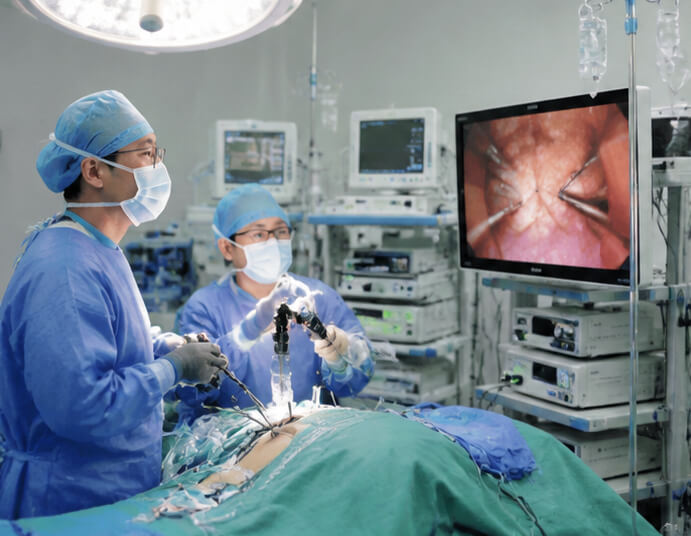
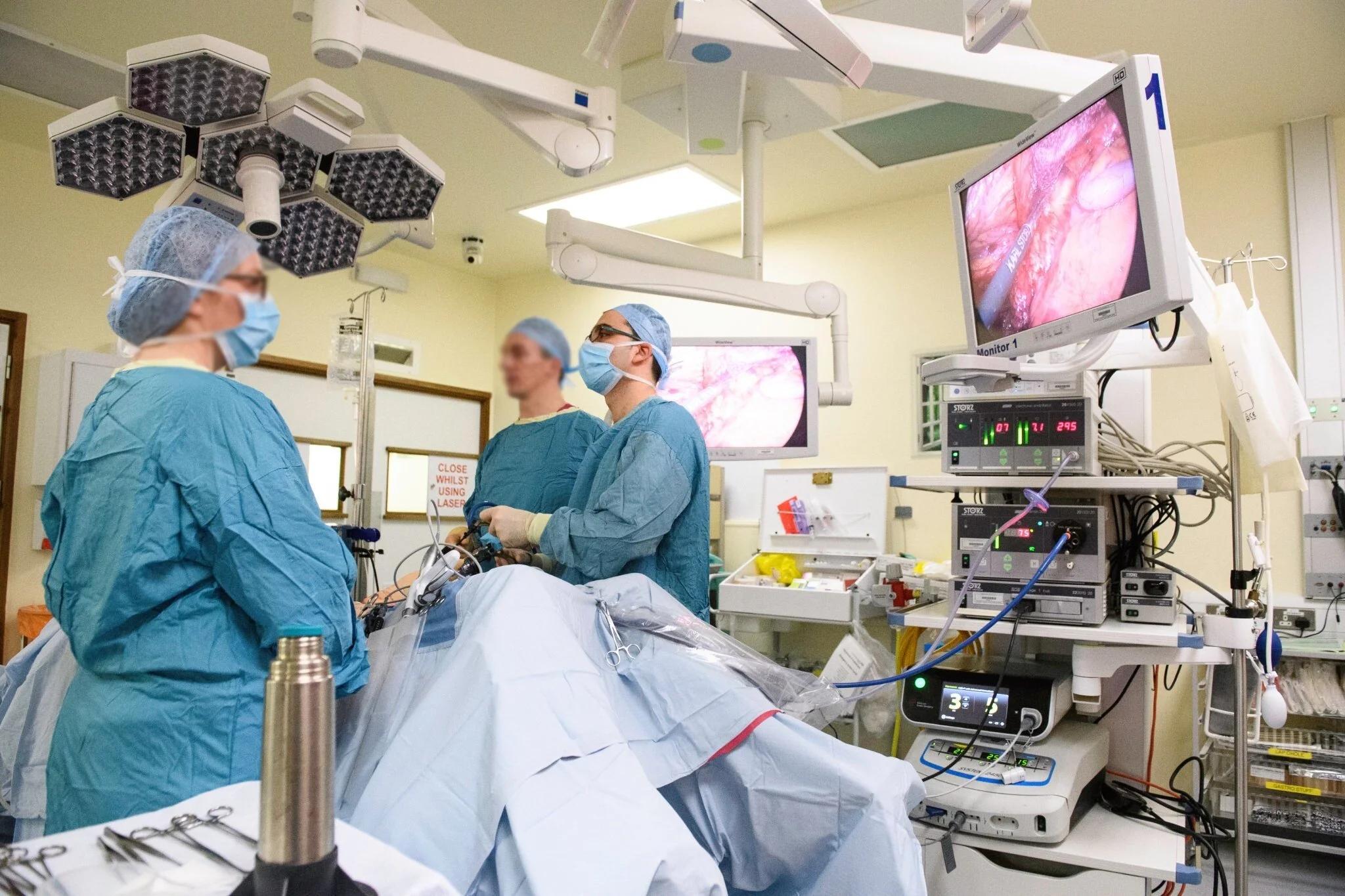
On June 4, 2026, the hospital's general surgery team at their Qinghai branch (a National Regional Medical Center) successfully performed the first-ever magnetic compression pancreaticojejunal anastomosis via an existing sinus tract in Qinghai province.
The technique uses magnets placed inside the body through existing drainage channels — no new incisions, no reopening of the abdomen — to reconnect a severed pancreatic duct to the small intestine.
Understanding the Problem
The pancreaticoduodenectomy (Whipple procedure) is one of the most complex abdominal surgeries performed. It's the standard treatment for:
- Pancreatic head cancer
- Distal bile duct cancer
- Duodenal cancer
- Chronic pancreatitis with complications
After this procedure, the pancreatic duct must be reconnected to the small intestine so that digestive enzymes can flow properly. When this connection fails — through leakage, bleeding, or disruption — the consequences are severe:
| Complication | What Happens | Traditional Solution |
|---|---|---|
| Pancreatic duct disconnection | Digestive enzymes leak into the abdomen | Reoperate — major open surgery |
| Anastomotic hemorrhage | Bleeding at the connection site | Emergency surgery or embolization |
| Pancreatic fistula | Abnormal channel forms; chronic infection risk | Prolonged drainage, possible reoperation |
Each of these scenarios traditionally requires either a second major surgery or months of external drainage with significant infection risk.
The Magnetic Solution — How It Works
The Xi'an Jiaotong University team took an entirely different approach:
Step 1 — Multidisciplinary assessment
After the patient was admitted with post-Whipple hemorrhage, the team convened a multidisciplinary conference. Rather than planning a second open surgery, they devised a pancreaticobiliary diversion strategy using the patient's existing anatomy.
Step 2 — Access through existing channels
The patient's body had already formed a sinus tract (a natural channel created by the body's healing process) from the original surgery site. Instead of cutting new incisions, the surgeons used this existing pathway as their access route.
Step 3 — Magnetic ring placement
Specially designed magnetic rings were placed through the sinus tract:
- One ring positioned inside the pancreatic duct
- One ring positioned inside the jejunum (small intestine)
Step 4 — Magnetic compression anastomosis
The two magnets, now sitting on opposite sides of the tissue barrier, attracted each other with precisely calibrated force. Over a period of days, the magnetic pressure caused the tissue between them to gradually compress and remodel — creating a new, natural connection between the pancreatic duct and the intestine.
Step 5 — Duct reconstruction complete
Once the new channel matured, the magnets were removed. The patient's pancreatic drainage was fully restored — without a single new incision.
Magnetic vs. Traditional Approach
| Factor | Magnetic Compression (XJTU) | Traditional Reoperation |
|---|---|---|
| Incision | None — uses existing sinus tract | Full abdominal reopening (20-30 cm) |
| Anesthesia | Local or light sedation | General anesthesia |
| Adhesion risk | None — no abdominal entry | Extremely high (scar tissue from first surgery) |
| Infection risk | Minimal | Significant |
| Recovery | Days to weeks | Months |
| Hospital stay | Short | Extended ICU + ward stay |
| Technical complexity | High (requires specialized magnets and imaging) | High (complicated by adhesions) |
The Outcome
The patient's recovery was uneventful. The drainage tube was removed, and the patient was discharged from the hospital with a functioning pancreatic-intestinal connection — achieved entirely without reopening the abdomen.
Expert Perspective
This case is significant beyond the individual patient. The surgical team noted that it establishes a "complete technical chain" for managing post-Whipple complications:
- Surgical assistance — Initial intervention and stabilization
- Complication management — Hemorrhage control and infection treatment
- Duct reconstruction — Magnetic anastomosis to restore anatomy
This chain means that patients who develop complications after pancreatic surgery no longer automatically face a second major operation — a development that could fundamentally change how post-surgical complications are managed.
Pancreatic Surgery Cost: China vs Western Countries
| Procedure | China (XJTU Hospital) | United States |
|---|---|---|
| Whipple procedure | $12,000 - $22,000 | $60,000 - $120,000 |
| Post-surgical complication revision | $8,000 - $15,000 | $40,000 - $80,000 |
| Magnetic compression anastomosis | $5,000 - $10,000 | Not widely available |
| Pancreatic fistula management (non-surgical) | $3,000 - $6,000 | $15,000 - $30,000 |
China prices include procedure, imaging, hospital stay, and follow-up.
Risks and Limitations
This technique is not suitable for every patient:
- Requires an existing sinus tract — The body must have already formed a channel from previous surgery or drainage
- Precise magnet sizing — The magnetic rings must be custom-selected based on duct diameter
- Monitoring period — The magnets remain in place for days while the anastomosis forms, requiring imaging surveillance
- Not a first-line treatment — This is a salvage technique for post-surgical complications, not a replacement for primary anastomosis during the initial Whipple procedure
About Xi'an Jiaotong University First Affiliated Hospital
XJTU First Affiliated Hospital is one of Northwest China's premier medical institutions:
- Affiliated with Xi'an Jiaotong University — a top-15 Chinese university and C9 League member
- General surgery department with extensive hepatobiliary and pancreatic surgical experience
- Operates the Qinghai National Regional Medical Center, bringing advanced techniques to underserved western regions
- Located in Xi'an, SinomedTrip's home city — enabling seamless coordination for international patients
Facing complications after pancreatic surgery, or need a second opinion on a complex abdominal case? Our team can connect you with Xi'an's top surgical specialists.
Need advanced pancreatic or hepatobiliary care? Request a free surgical consultation →